

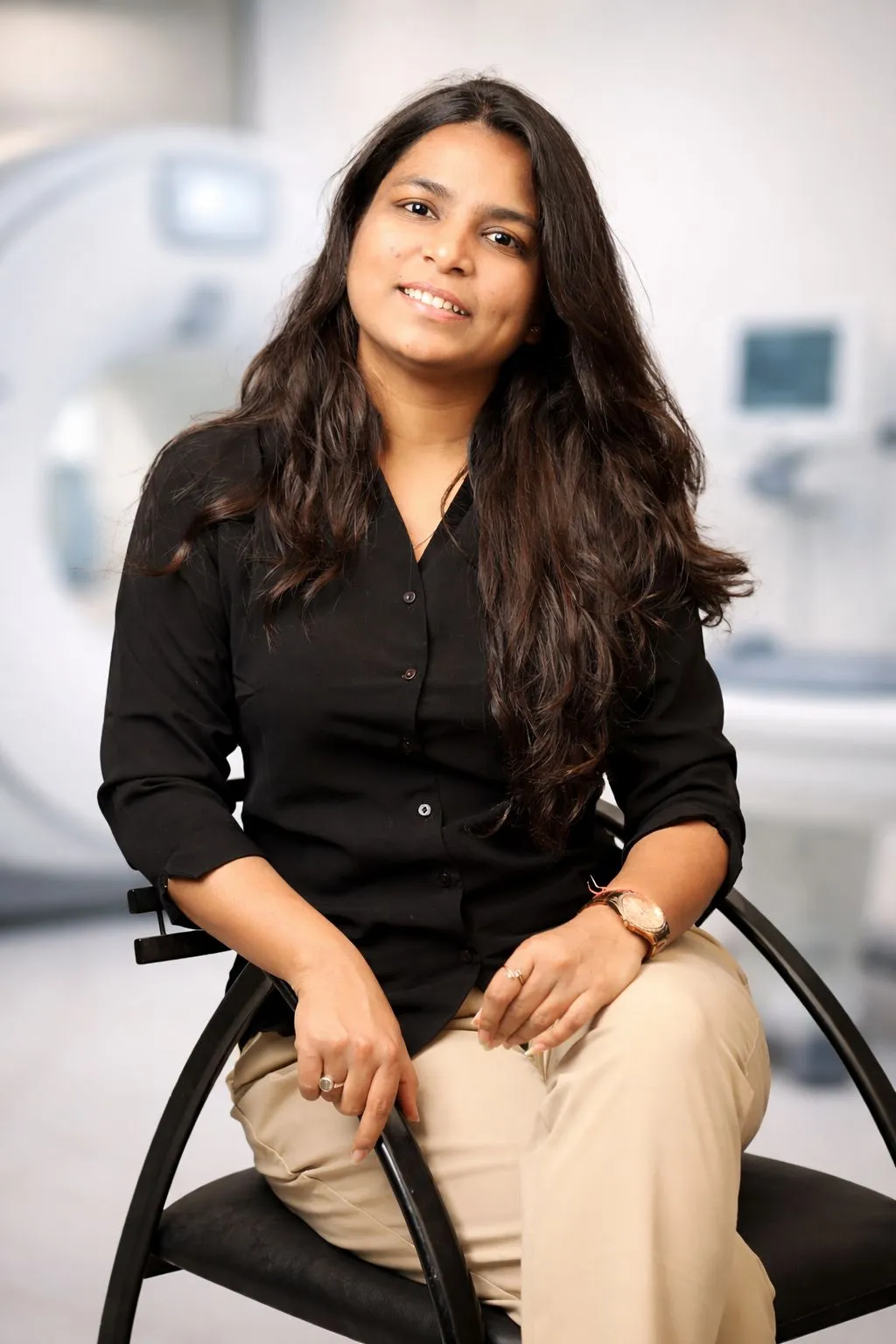
For Women Choosing Medicine
To every young woman who chooses science without a clear blueprint, unsure of what the journey will look like but certain that medicine is where she wants to be, this reflection is for you.
Being a first generation doctor, there wasn’t any prior roadmap to rely on. With increasing competition, evolving examination patterns, and the immense pressure surrounding entrance examinations such as NEET, the path often feels overwhelming. However, one lesson has remained constant throughout my journey: structured hard work almost always outperforms talent that lacks discipline.
In medicine, there is no substitute for consistency. Self-study, perseverance, and the willingness to keep improving every day become the foundation of progress. High scores can certainly boost confidence, but low scores should not discourage you. Instead, they should remind you that improvement is always possible. If you have performed well once, you can always do better the next time. What truly matters is maintaining consistency while discovering your own way of learning and growing.
My Journey into Medicine
My journey toward medicine began much earlier than medical college. During my school years, I had the opportunity to serve as the head girl, a role that taught me responsibility, leadership, and confidence at a very young age. Choosing science after school felt like a natural step forward, but the reality of preparing for competitive examinations soon brought its own set of challenges.
There were moments of doubt along the way. Low mock test scores, comparisons with peers, and the feeling of being average in a room full of high achievers were experiences that many students go through but rarely speak about openly. Those moments can feel isolating, yet they are often the phases that shape resilience the most.
For me, the turning point came when I cleared NEET-UG in my first attempt and moved to Mumbai to pursue my medical education. Mumbai is often described as the city of dreams,
but it is also a city that demands determination. It constantly pushes you to grow and adapt. Studying at Topiwala National Medical College and B.Y.L. Nair Hospital introduced me to an entirely new world of medical learning and clinical exposure.
Being a first-generation doctor made the experience even more significant. There was no prior roadmap within my family that I could rely on. Every step forward came with a mixture of pride, responsibility, and occasional uncertainty. Yet, those experiences also strengthened my belief that perseverance can gradually build the confidence needed to move ahead.
The Routine That Kept Me Grounded
Students preparing for NEET often ask about the routine that helped me stay consistent. Over time, I realised that routines do not need to be complex; they simply need to be sustainable.
My mornings usually began with biology revisions, which helped reinforce concepts regularly. The afternoons were often dedicated to chemistry, where I would focus on understanding reactions and practicing questions. Evenings were reserved for physics numericals, which required patience and analytical thinking. This simple rhythm helped me stay disciplined without feeling overwhelmed.
However, preparation is rarely about studying more content than others. Lakhs of students across the country study the same books and follow the same syllabus. What ultimately sets someone apart is their ability to analyse questions, adapt to the flow of the examination, and remain aligned with the goal they set from the beginning.
Experiencing Medicine During MBBS
Medical college has a way of transforming your understanding of both medicine and yourself.
The first year often feels overwhelming because everything is unfamiliar. Students encounter new subjects, hospital environments, and the reality of dealing with real patients for the first time. Learning histology slides, understanding biochemical pathways, and managing the pace of medical academics can be intense.
The second year gradually brings a sense of rhythm. Subjects such as pathology, microbiology, and pharmacology begin to connect theoretical knowledge with clinical understanding. This phase allows students to settle into the system and develop confidence in their learning process.
By the third and final years, academic expectations increase significantly. Subjects such as preventive and social medicine, ENT, and ophthalmology demand deeper engagement with both theory and practical training. At the same time, these years also create some of the most memorable experiences in medical college. Long hours of studying are often balanced by shared laughter, friendships, and countless conversations that make the journey meaningful.
Internship, however, is where medicine reveals its most authentic form. The responsibilities increase, the hours become longer, and the hospital environment becomes more demanding. Yet it is also the stage where young doctors begin to truly understand the weight of the profession. Observing patients, interacting with families, and exploring different medical branches often help shape the direction of one’s future career.
What I Want Young Women to Remember
- Medicine continues to be one of the most competitive career paths in India. Yet beyond examinations, rankings, and professional milestones, certain values remain constant.
- Consistency always brings results over time. Choosing the harder and longer path often leads to deeper growth than taking shortcuts. Discipline plays a far greater role than temporary bursts of motivation.
- Success in medicine rarely happens overnight. It grows gradually through patience, learning, and continuous effort.
The Principles That Guide Me
Three principles have consistently guided me through my journey in medicine.
- The first is staying calm, because panic rarely improves performance, while clarity often leads to better decisions.
- The second is maintaining inner belief, especially during phases when progress feels invisible to others.
- The third is consistency, because motivation may fluctuate but discipline sustains long-term progress.
Continuing the Journey
Looking back, one of the most important lessons this journey has taught me is that clarity does not always come before action. Many times, growth happens while we are still figuring things out. Waiting for perfect certainty can delay opportunities that require courage instead.
To every young woman finding her way in medicine or in any demanding profession, it is important to remember that sensitivity and compassion are not weaknesses. The challenges you encounter will shape your perspective and strengthen your resilience.
Today, as I continue my training in radiology, I carry immense gratitude for the journey so far. Radiology is a field where observation and interpretation play a crucial role. It requires the ability to recognise patterns, identify subtle details, and understand the clinical stories hidden within medical images.
I remain deeply grateful to my parents for believing in me during the early stages of my dreams, long before those dreams had a clear direction. Their support continues to inspire me to grow, learn, and contribute meaningfully to the field of medicine.
Ultimately, this journey is not only about personal success. It is about encouraging the next generation of women in medicine to believe that their ambitions are valid and achievable. Every woman who chooses this path brings with her the potential to make a difference, both in healthcare and in the lives of the patients she serves.
With love,
Dr. Neeharika Ubale

2 Comments
Neeharika
Thank you for having me 💃💕
Yash ingle
Thank you, Niharika, for sharing your beautiful journey so honestly. I have seen you grow from being a class leader to becoming Dr. Niharika Ubale, and it truly feels wonderful to see you achieve what you always dreamed of. Your dedication and consistency are truly inspiring.
Also, thank you to The B.B Journal for sharing this article with us. Stories like this inspire so many women out there to believe in themselves and pursue their dreams. Wishing you continued success ahead! 🌟👏